From AI workflow to something your team can actually operate.
Sometimes the best outcome is not another request in the queue. It is turning a repeatable AI workflow into an internal tool the team can keep using without rebuilding the process every time.
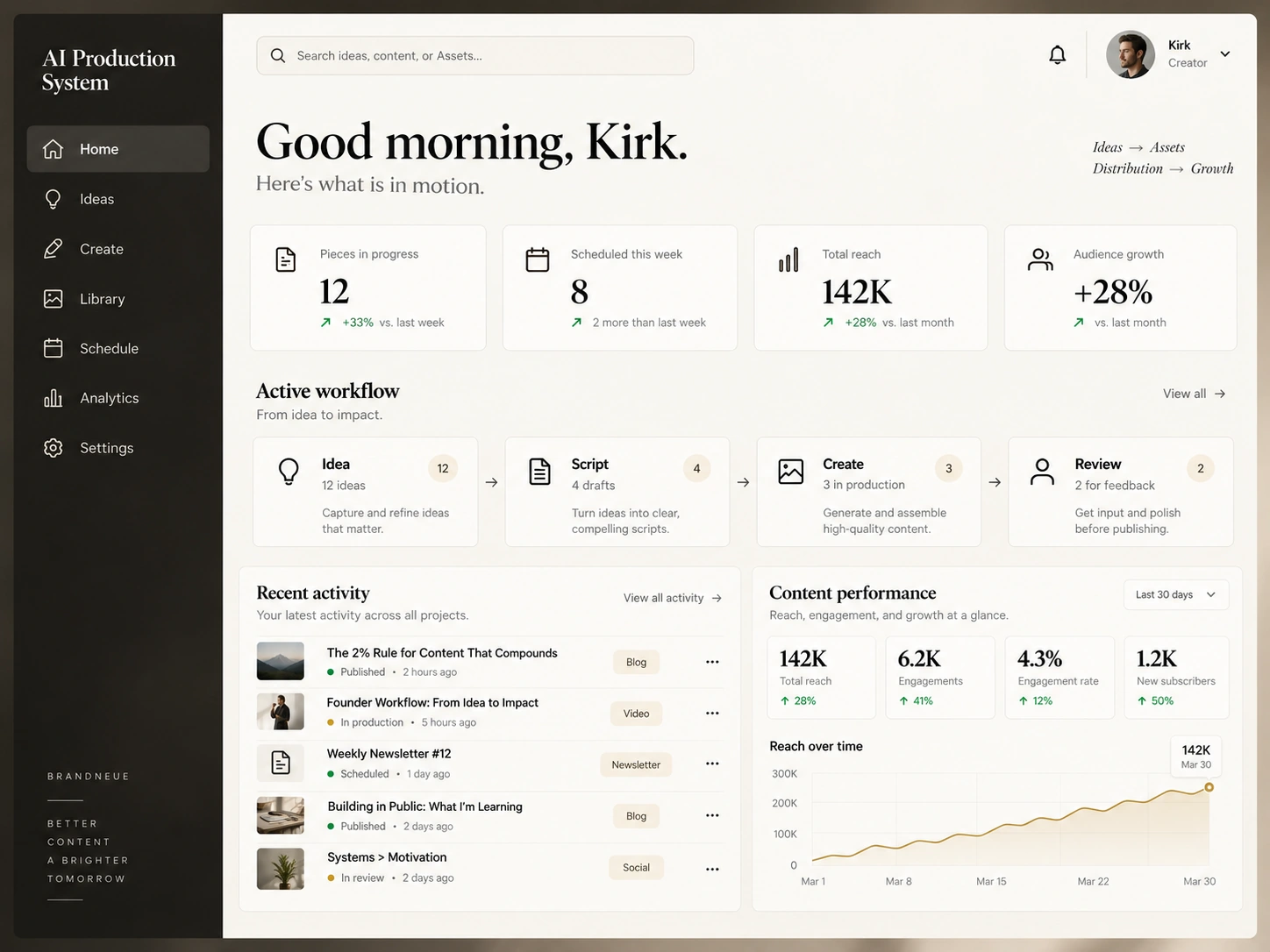
A great prompt is not an operating system.
Teams often end up with prompts buried in documents, context split across drives and chats, one employee who remembers the sequence, and no consistent way to judge whether the output is actually good.
The workflow may technically exist, but it cannot be repeated reliably by someone who was not there when it was invented.
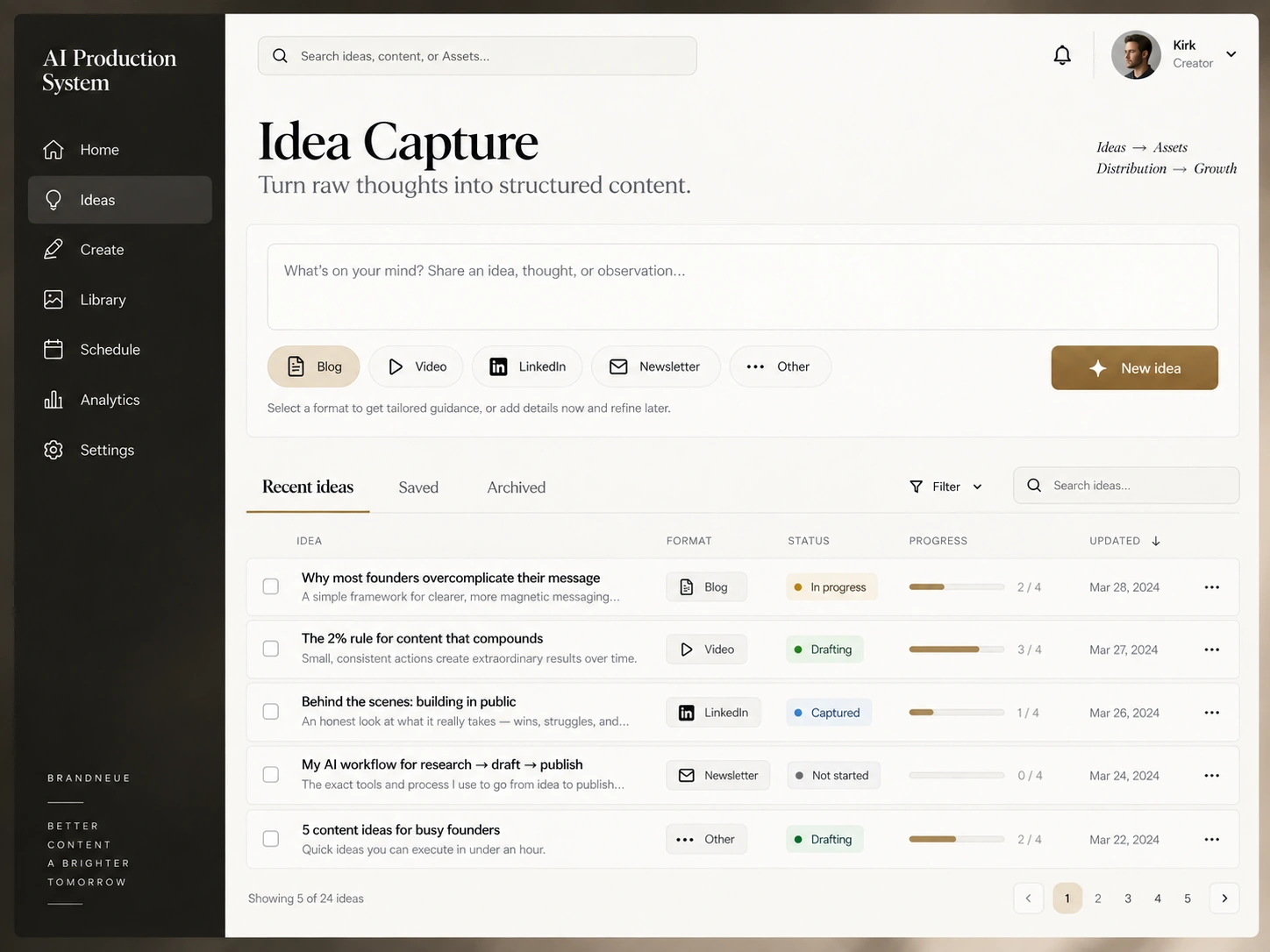
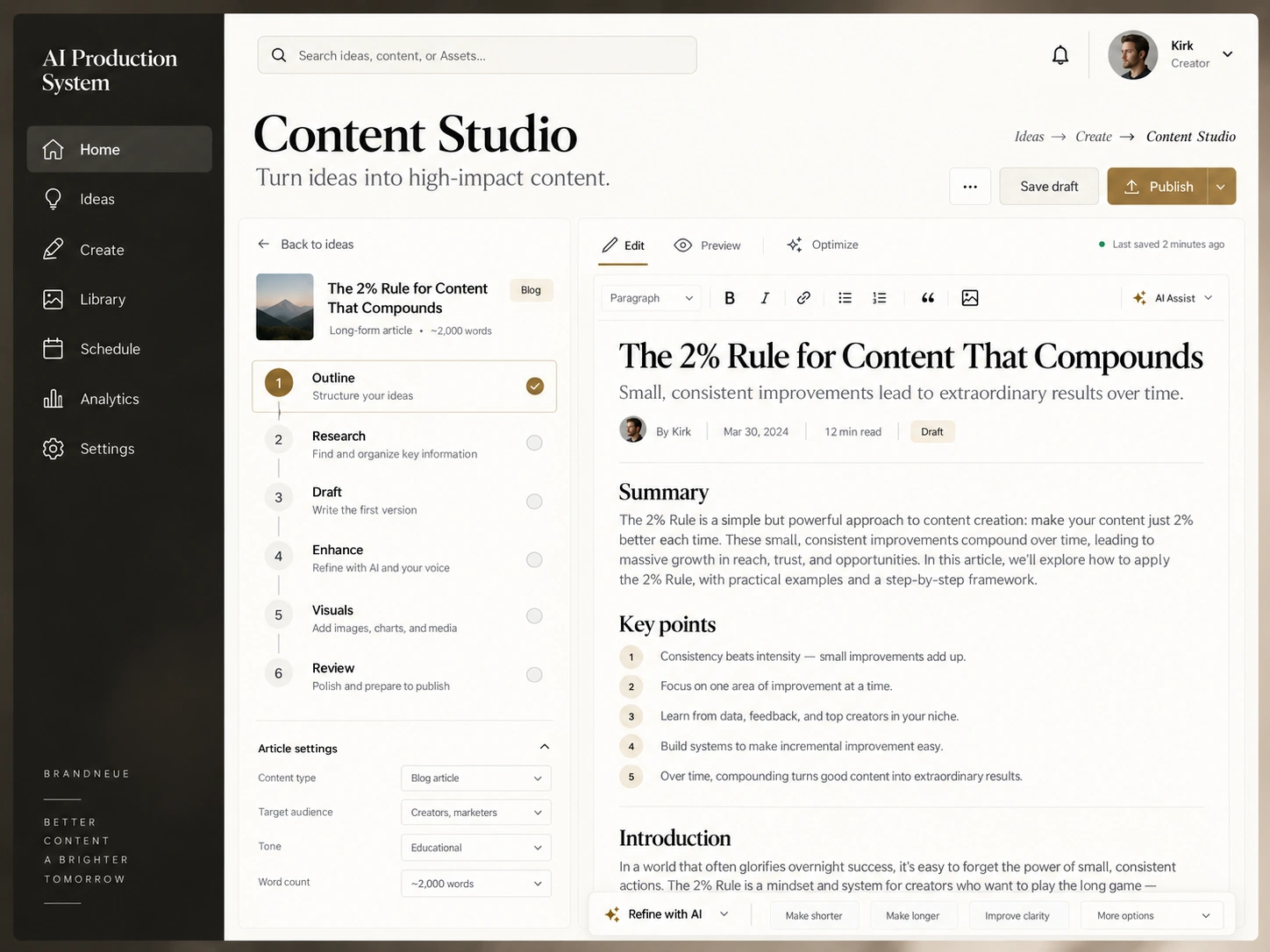
Turn the working process into a product.
The process works because one person knows how to assemble it.
The process works because the context, decisions and QA have been packaged into the system.
The interface is the easy part. The real asset is the operating logic underneath it.
Once the workflow is understood, the important pieces can be made explicit and reusable.
Context
The brand, source material, examples and operating knowledge the model needs before it starts.
Inputs
The minimum information a user needs to provide to start a reliable run.
Workflow
The prompts, model calls and sequence that transform the request into useful work.
Decision rules
Where the system can decide, where it needs a human, and what it should refuse.
QA
The standards used to decide whether the output is ready, needs revision or should stop.
Handoff
The interface, documentation and training that make the capability usable by the team.
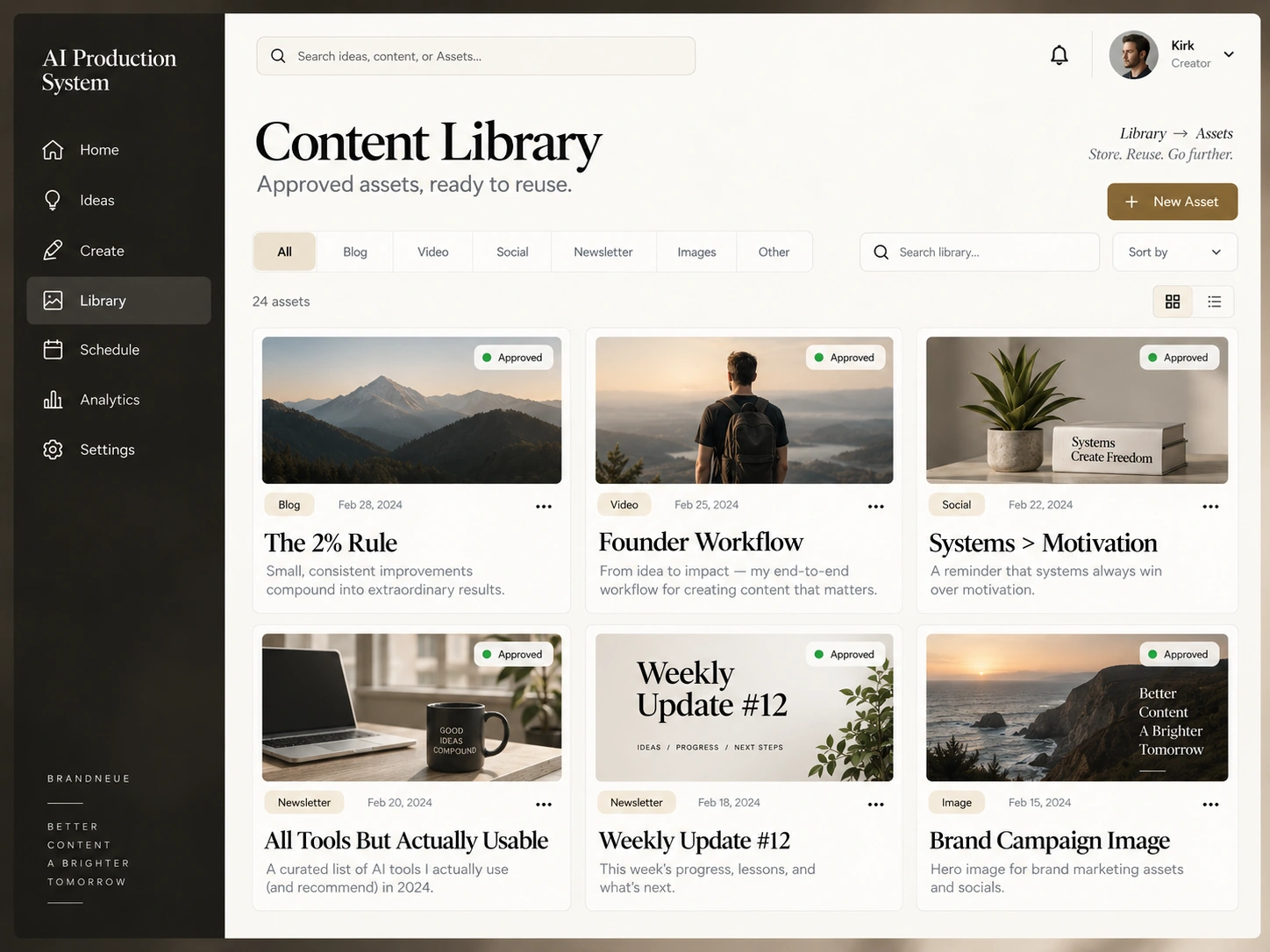
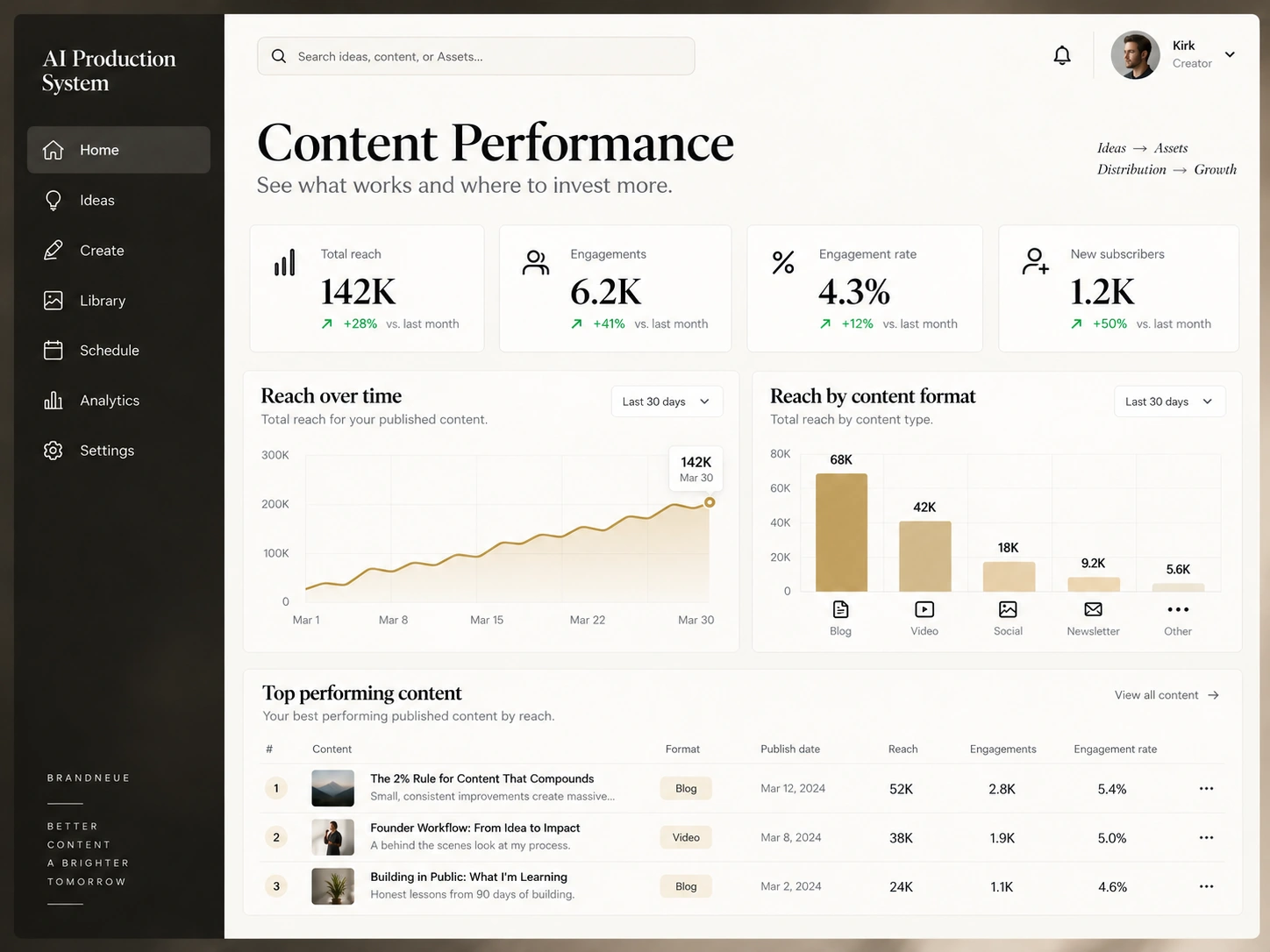
More complex integrations, enterprise permissions, specialized infrastructure or workflows that are not yet proven can extend the build. The one-day target applies to packaging an understood process, not inventing the process from scratch.
Your system does not have to live with me.
Hosted version
Use the working tool immediately while the team begins adopting it.
Source / project files
Keep the implementation and continue development internally when appropriate.
Context architecture
Understand what information the system loads and why it matters.
Documentation
Inputs, workflows, guardrails, expected outputs and common failure states.
Team onboarding
Working sessions so the people using the tool understand how to operate it well.
Iteration path
Improvements can return to the See Kirk Work queue when the workflow changes.
Sometimes I do the work.
Sometimes I build the system that does it next time.
That is an important part of the membership model. A request should not stay dependent on me simply because dependence creates more requests. When a repeatable capability belongs inside the company, I can help turn it into something the team owns.
The value of AI is not only faster output. It is the ability to turn expertise into reusable capability.
The first version of a workflow is often a service. Once the decisions are understood, that same workflow can become infrastructure: a small internal product that carries context, standards and process forward without requiring someone to reconstruct the logic from old chats.